Electrical Engineering Challenges in Ireland (2026)
At Varming Consulting Engineers, our team of consulting engineers supports clients in delivering efficient, compliant, and future-ready building design solutions. Get in touch to discuss your next M&E project.
Introduction
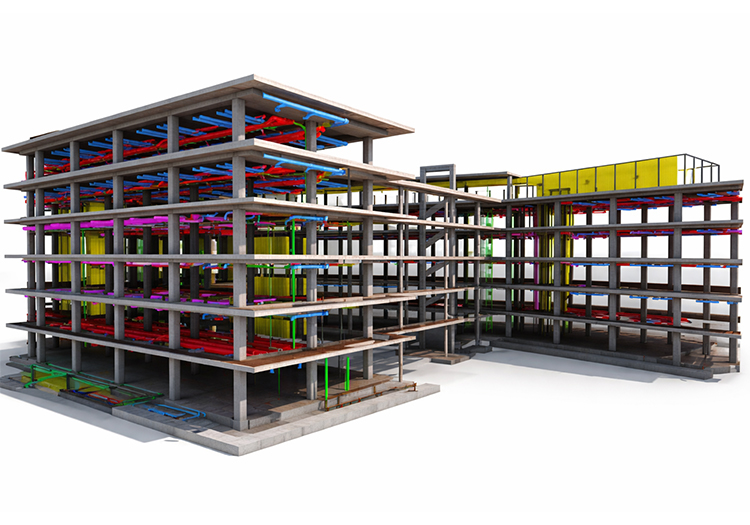
Electrical engineering challenges in Ireland (2026) are increasingly shaped by sustainability targets, evolving regulations, and the electrification of building systems. As the demand for low-carbon building design grows, M&E engineering must respond with innovative, integrated solutions that balance performance, resilience, and efficiency.
Electricity is now central to how buildings operate. From heat pumps and EV charging to smart controls and renewable integration, electrical systems are no longer standalone. They form the backbone of modern building services.
Grid Capacity and Electrification
One of the most significant challenges facing electrical engineering in Ireland is grid capacity. With the rise in electrification of heating and transport, buildings are placing greater demand on local networks.
Electrical designs must now consider:
- Load constraints and maximum import capacity (MIC)
- On-site generation such as solar PV systems
- Battery storage to manage peak demand
Consulting engineers must carefully assess these factors early in the building design stage to avoid costly upgrades or delays.
Integration of Renewable Energy
The integration of renewable technologies is now a core requirement in M&E engineering. Solar PV systems, in particular, are widely adopted across commercial and residential developments.
However, this introduces technical challenges such as:
- Grid synchronisation and export limitations
- Inverter selection and system efficiency
- Coordination with building electrical distribution systems
Achieving compliance with Irish Building Regulations Part L requires a coordinated approach between electrical and mechanical systems.
Smart Buildings and Controls
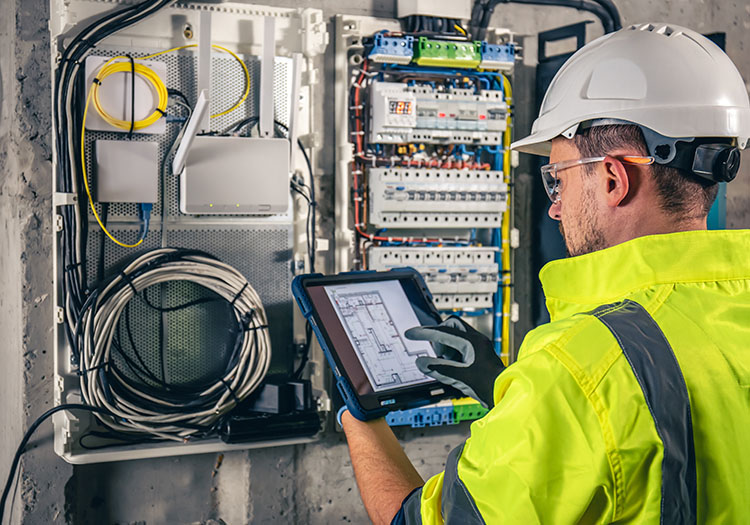
Modern building design increasingly relies on smart technologies to optimise energy use. Advanced Building Management Systems (BMS) allow real-time monitoring and control of electrical loads.
Key considerations include:
- System interoperability between electrical and mechanical services
- Data integration for energy monitoring
- Cybersecurity in connected building systems
For consulting engineers, the challenge lies in designing systems that are both sophisticated and user-friendly for long-term operation.
EV Charging Infrastructure
The rapid growth of electric vehicles in Ireland has introduced new demands on electrical infrastructure within buildings.
Design challenges include:
- Load management and diversity factors
- Future-proofing for increased EV adoption
- Compliance with safety and installation standards
In many developments, EV charging is no longer optional but a core part of the building services strategy.
Conclusion
Electrical engineering challenges in Ireland (2026) require a holistic approach to M&E engineering and building design. From grid limitations to smart technologies, the role of consulting engineers is critical in delivering sustainable and resilient solutions.
At Varming Consulting Engineers, we provide expert guidance across all aspects of electrical building services and M&E engineering. Contact our team to support your next project.