Building Information Modelling for MEP
BIM on your mobile or tablet
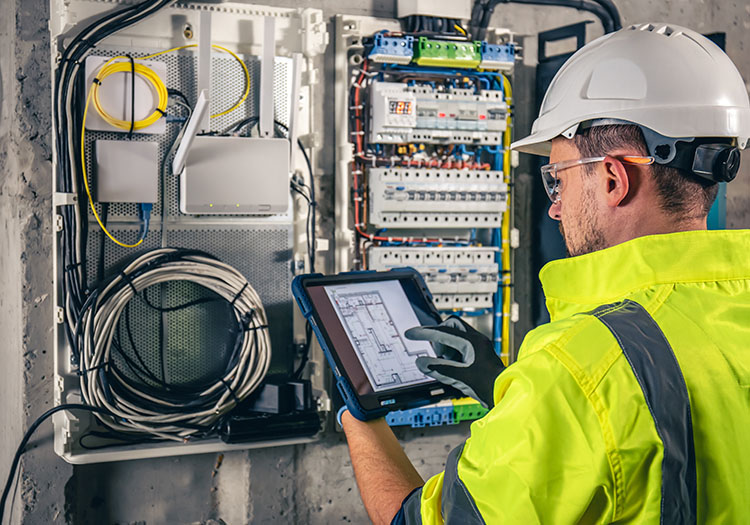
Did you know that like having the internet in your pocket on your mobile, Building Information Modelling (BIM for short) and other technologies means that you can have all the information about a building (or any other asset) on your mobile phone or tablet?
The use of BIM continues to expand across the global construction industry. Which like all other sectors, has adapted modern technologies and moved into the digital age.
Irish BIM Mandate
Since the introduction of the Irish BIM Mandate, BIM deliverables are now required by all public sector clients and government bodies as part of project procurement processes. This reflects its value in improving project coordination and information management.
The BIM Mandate includes measures for improvements to sustainability by reducing embodied carbon generated during the construction and operations phase. When the building is being used after construction.
Benefits of BIM
One of the great things about BIM is the Collaborative Working!
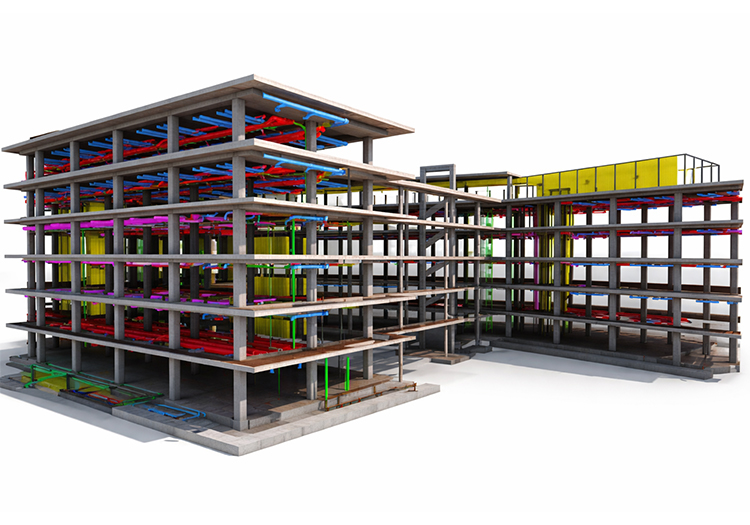
Each discipline generates their own model. And these are then combined regularly into a Federated 3D model of the entire building.
This is very powerful tool because like a computer game you can go inside this federated model. To see how design elements are combining and check where any issues are.
This is what we mean when we say with BIM you are building the building TWICE. Once virtually where all the issues or clashes can be resolved. And then in real life.
This means that the construction stage is much smoother.
How does BIM benefit MEP?
For MEP services, having a BIM model makes it easier to show other disciplines how the services will work in the building.
The different services can be colour-coded to make them easier to see in the models. And we can also colour-code different phases.
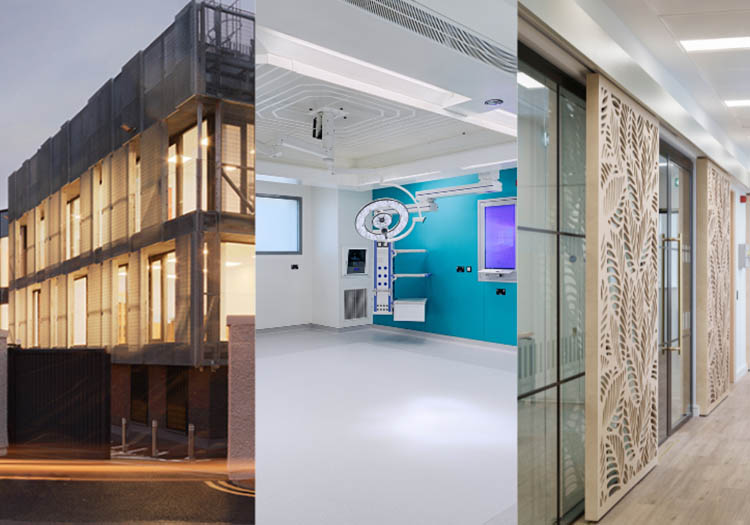
This is particularly important with buildings which have complex services e.g. hospitals and healthcare. This all makes the services easier to see in the 3D model when discussing design or ceiling void issues.
Coordination issues between MEP services and architectural or structural elements, that can often be missed on 2D CAD drawings, are much easier to find and resolve in a 3D BIM model.
For example, ductwork clashing with structural beams or equipment/plant that doesn’t fit within floor to ceiling heights or ceiling voids etc.
Often, in the past, these types of issues were only discovered on site during construction stage. And often resulted in lots of trades having to come back and rework. Which caused project delays and additional costs.
As a result, BIM and digital technologies play an important role in improving project coordination and delivery.
ISO 19650-2:2018 certified
Varming Consulting Engineers Ltd. are proud to be certified to the international standard ISO 19650-2:2018 across our 3 offices.
This means our processes, procedures and the way we work on projects has been verified to align with the requirements of ISO 19650.
For further assistance with BIM and building services, contact Varming Consulting Engineers. Our team is ready to provide expert support and ensure your building services are efficiently designed.