The Role of Nature in Climate-Responsive Urban Design
Varming Consulting Engineers provide building design services and building services engineering expertise, supporting the role of nature in urban design within climate-responsive urban developments across Ireland.
Nature in urban design plays an increasingly important role in the performance and liveability of dense urban environments. As cities continue to intensify, building design services must respond not only to functional and regulatory requirements, but also to environmental conditions created by highly built-up settings. As a result, the presence—or absence—of natural elements directly influences thermal comfort, energy demand and the long-term resilience of buildings.
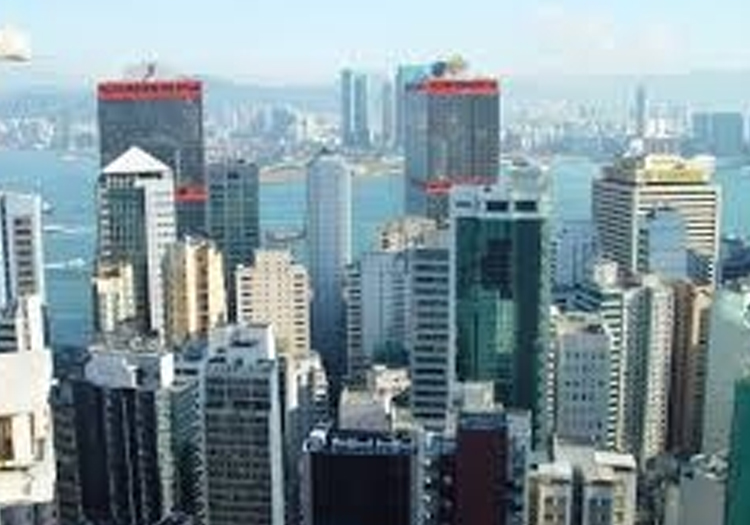
Urban development often features extensive hard landscaping, closely spaced buildings and limited green space. Consequently, these conditions can amplify climate-related pressures such as elevated ambient temperatures and reduced environmental quality. For consulting engineers and building services engineering teams, this wider context shapes how buildings perform and how mechanical and electrical systems must operate efficiently.
Nature and the Urban Microclimate
The urban microclimate directly influences building performance. For example, large areas of paving, façades and other hard surfaces absorb and retain heat. As a result, surrounding air temperatures increase, particularly during warmer periods. Where tree cover and vegetation are limited, buildings experience greater solar exposure and fewer opportunities for natural shading.
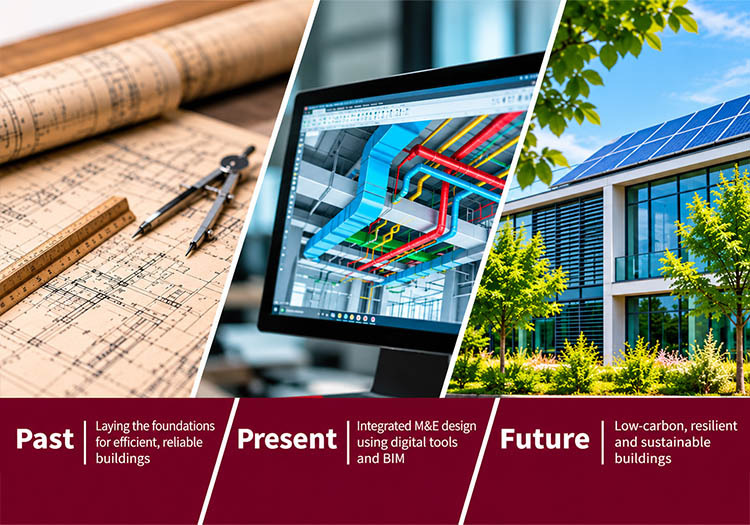
For building design services, understanding these external conditions remains essential. Accordingly, building services engineering teams must consider the surrounding environment when they develop HVAC strategies, plant sizing and energy performance models. In many cases, natural elements help moderate external temperatures. This, in turn, supports more stable internal conditions and improved operational efficiency.
Considering the interaction between urban form, environmental conditions and building services remains a core part of effective building design services.
Supporting Thermal Comfort and Energy Performance
External environmental conditions strongly affect occupant comfort and energy demand. In urban areas with limited greenery, outdoor spaces often become uncomfortable during warmer weather. As a consequence, their use declines and reliance on conditioned indoor environments increases. Over time, this shift can lead to higher cooling loads and increased operational energy consumption.
Through early coordination with architects and landscape designers, building services engineers can account for factors such as shading, planting and material selection when they develop building services strategies. While these elements typically sit outside the direct M&E scope, their impact on building performance remains significant. Therefore, engineers must understand them as part of an integrated, climate-responsive design process.
Nature, Biodiversity and the Urban Context
Urban expansion has historically reduced and fragmented natural habitats. As buildings, roads and infrastructure replace natural landscapes, ecological connectivity can decline. While planning and landscape disciplines generally lead biodiversity strategies, these strategies still form part of the wider environmental context in which buildings operate.
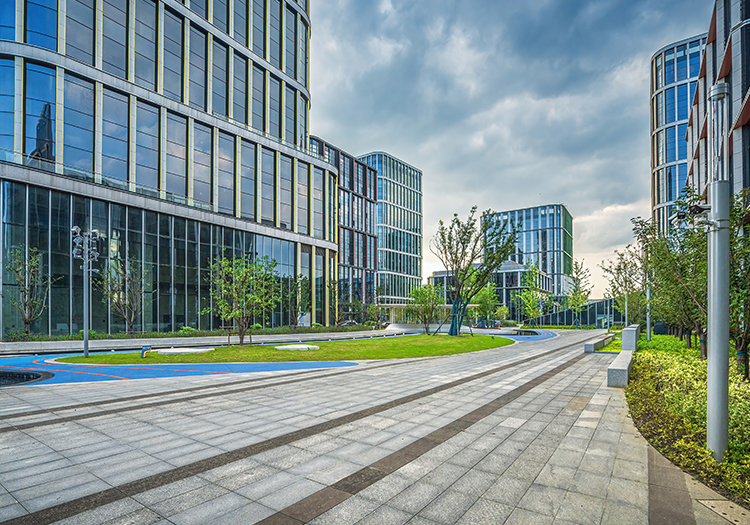
For urban building design services, connected green spaces and natural features improve environmental quality and support occupant wellbeing. Furthermore, they contribute to the overall resilience of urban areas. As such, building services engineers must understand these interfaces to ensure building systems support, rather than undermine, broader sustainability objectives.
A Climate-Responsive Approach to Building Design Services
Delivering climate-responsive urban development requires close collaboration across the design team. In particular, building services engineering plays a key role in ensuring buildings respond effectively to their surroundings. This role becomes increasingly important as climate pressures intensify and performance expectations continue to rise.
At Varming Consulting Engineers, we recognise the influence that natural elements have on building performance, comfort and energy use. As part of our building design services, we work within integrated design teams to deliver practical, performance-led solutions that reflect best practice in sustainability, resilience and long-term operational efficiency.
From a building services perspective, nature in urban design directly influences thermal comfort, energy demand and long-term building performance.
To learn more about our approach to climate-responsive building design services, visit www.varming.ie or contact our Dublin office on 01 487 2300.