What Does Balancing an Airside System Involve?
For expert support with HVAC commissioning strategy and efficient building design, contact Varming Consulting Engineers. Our team delivers practical M&E engineering solutions that improve building performance.
In M&E engineering, airside system balancing ensures that ventilation systems deliver the correct airflow to each part of a building. It supports indoor air quality, occupant comfort and energy efficiency.
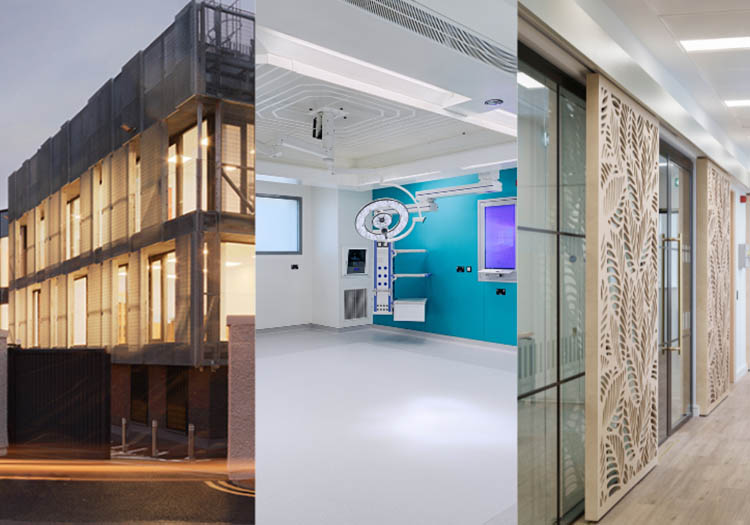
Varming Consulting Engineers have delivered this approach across a range of projects. This includes the Chapter House refurbishment project in Dublin, where airside systems were balanced as part of the overall commissioning process.
Why Airside System Balancing Matters
Airside system balancing regulates airflow within ducted systems so that each space receives the required supply and extract air volumes. Even with correct equipment selection, systems will not perform unless airflow matches the design intent.
However, poor balancing can create uneven temperatures and reduce ventilation effectiveness. As a result, energy use can increase and plant may operate inefficiently. In some buildings, imbalance may also affect pressure relationships between spaces.
Measuring System Performance
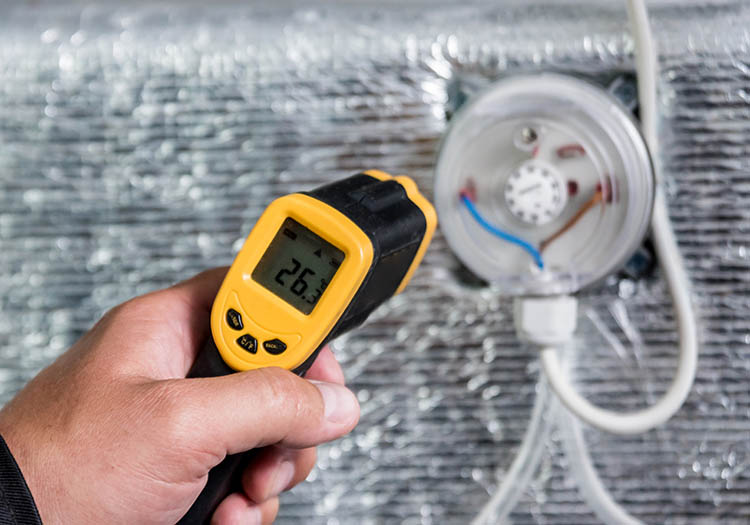
The process starts with a detailed system evaluation and visual inspections during pre-commissioning. Airflow measurements are taken at diffusers, return grilles and duct branches using calibrated instruments.
These results are then compared with the design requirements. This step identifies where the system does not perform as intended. Typical causes include incorrectly set dampers, installation variations and excessive duct resistance.
Adjusting the Air Distribution
The commissioning process includes adjusting the system to achieve the required air volumes. This involves regulating dampers, refining terminal devices and setting fan performance to meet design conditions.
Because duct systems are interconnected, balancing follows a structured sequence. Changes in one area can affect airflow elsewhere. For this reason, the system must be proportioned carefully to achieve stable performance.
Verification and Building Performance
Finally, a second round of measurements confirms that system performance aligns with the design criteria. The results are recorded as part of the commissioning documentation for future reference.
When completed correctly, airside system balancing improves air quality and thermal comfort. It also reduces energy consumption and supports efficient system operation over time.
Within M&E engineering, consulting engineers define the required airflow rates and review commissioning results to ensure systems perform as designed.
Learn more about our building services projects on our website. To discuss airside system balancing, HVAC commissioning or wider building design requirements, contact us.